

Insomnia Therapy in Denver
Having trouble sleeping?
You are tossing and turning. Trying everything you can to sleep. Supplements. Prescription medications. Suggestions from the internet. Many people have insomnia for years before they hear about cognitive-behavioral therapy for insomnia (CBT-I). It’s a highly effective therapy and it’s considered the gold-standard treatment for insomnia.

What is Cognitive-Behavioral Therapy for Insomnia (CBT-I)?
CBT-I is a very brief therapy that helps to ensure your body’s sleep systems are working as well as they can be and that they are working together to help you fall asleep and stay asleep. The therapy also helps to address any anxiety you may be feeling as a result of your insomnia . Treatment may be enhanced with mindfulness and relaxation exercises as well, which can help your brain and body relax.
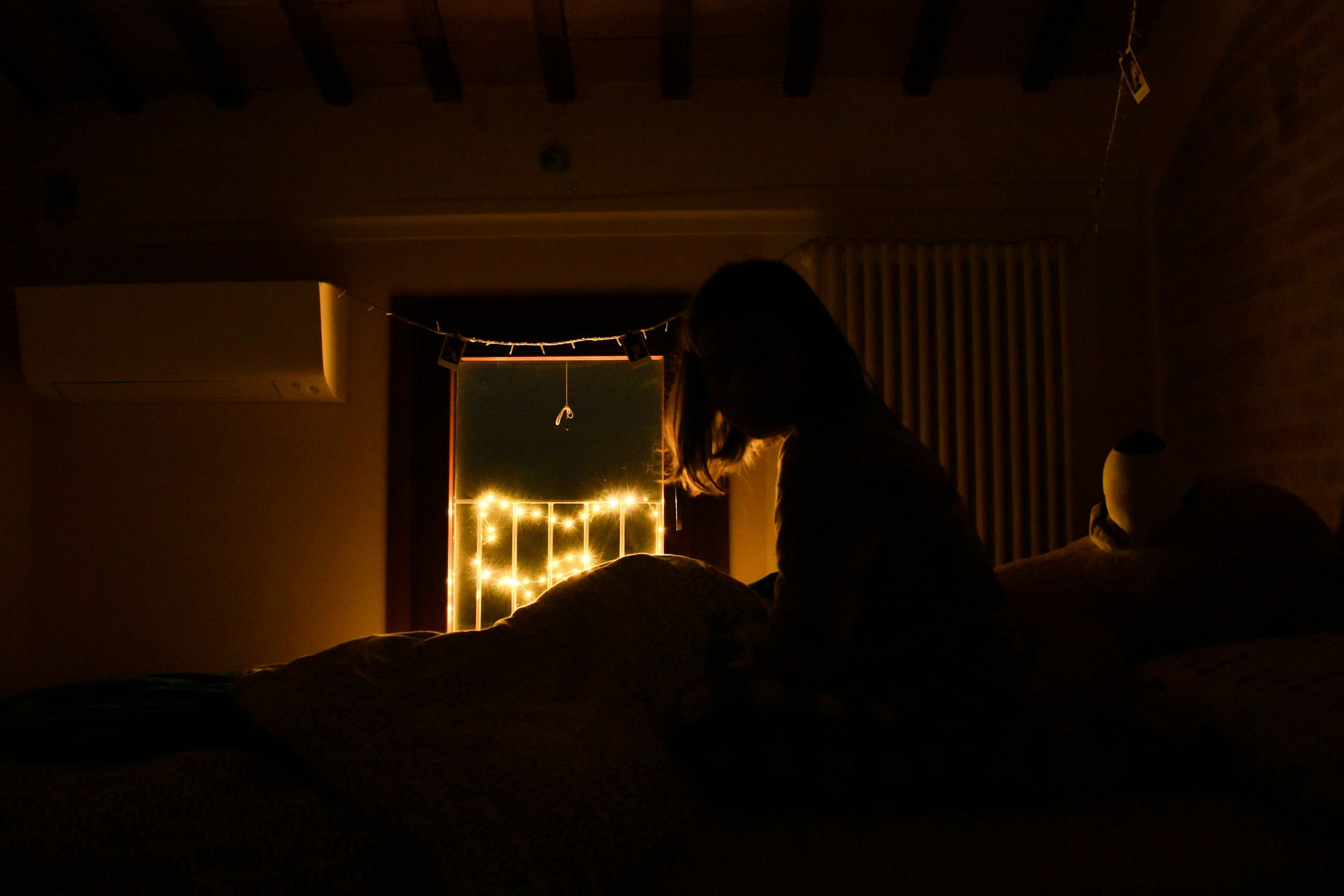
Will I be able to sleep tonight?
I’m going to feel terrible tomorrow, and my day at work will be disastrous.
I’m afraid my insomnia is harming my health.
These are common worries with insomnia. With therapy, not only will your sleep improve, but you’ll find relief from bothersome thoughts like these.
What insomnia therapy looks like, session by session
One of the biggest questions people have before starting therapy is: what will we actually be doing? And how is this different from the therapy I’ve had in the past? Here's a general sense of how CBT-I is set up, though your experience will be tailored to your situation.
Session 1: Understanding your sleep
We start by getting a complete picture of your insomnia: your history with it and what factors are maintaining it. You'll leave with a sleep diary to track your sleep over the coming weeks, which gives us real data to work with.
Sessions 2–3: Building the foundation.
Based on your sleep diary, we begin making targeted behavioral changes, typically around your sleep schedule and your relationship with your bed. The strategies used may be things like stimulus control, sleep restriction, or sleep compression (read more about those, here). This is often when people start noticing their sleep beginning to consolidate and improve. We also may start to address anxious thoughts about sleep that are keeping you wound up at night.
Sessions 4–6: Deepening the work
As your sleep improves, we focus on maintaining and extending those gains. We also work on the cognitive piece. In other words we work to change the relationship you have with sleep-related worries and thoughts. I often use both cognitive therapy and mindfulness to help with this. We may also practice relaxation strategies if tension and anxiety are part of the picture. If you're tapering off sleep medication, this is typically when we develop a plan for that as well.
Final sessions: Building your toolkit
The last phase of treatment is about making sure you feel confident about everything you’ve learned in therapy. We make sure you feel like you’ve built a toolbox of coping strategies for your sleep that you can get back out once therapy is over. We review what worked best for you specifically, troubleshoot any remaining challenges, and develop a plan for what to do if insomnia ever resurfaces in the future.
Who is insomnia therapy for?
CBT-I is most helpful for people who have chronic insomnia disorder. This means you’ve had trouble with falling and/or staying asleep for three months or more. CBT-I can also be used with people that have had insomnia for shorter periods of time as well.
CBT-I can be helpful if you have depression, anxiety, OCD, and PTSD in addition to your insomnia. Treating your insomnia with CBT-I can even improve symptoms of depression and anxiety.
Many people with insomnia also have other sleep disorders like sleep apnea, restless legs syndrome, and nightmares. CBT-I can be used to treat insomnia when you also have another sleep disorder.
What life looks like after insomnia therapy
It can be hard to imagine when you're in the middle of chronic insomnia, but here's what many people report after completing CBT-I:
Falling asleep within 20–30 minutes of getting into bed, most nights — instead of lying awake for an hour or more watching the clock.
Waking up less often during the night, and when you do wake, falling back to sleep relatively easily rather than lying awake for hours.
Less dread about bedtime. Insomnia can really build when you’ve been suffering from difficulty falling and staying asleep. Many people dread bedtime and notice themselves fixating on their sleep and how they’re feeling throughout the day. After CBT-I, most people report that this anxiety improves significantly, and they no longer worry so much about sleep.
More energy during the day. The fatigue and brain fog that come with chronic insomnia impacts everything from concentration, patience, and motivation. As sleep improves, these things also tend to improve.
Reduced anxiety and improved mood. Sleep and mental health are very interconnected. Treating insomnia often produces meaningful improvements in anxiety and depression symptoms, sometimes to a degree that surprises people.
Confidence in your ability to sleep. Perhaps most importantly: you stop feeling like sleep is something that happens to you — something unpredictable and outside your control. You understand what helps your sleep and what doesn't, and you have tools to use if things ever get rocky again.
Frequently Asked Questions
-
No. CBT-I is effective for people who have had insomnia for years or even decades. In fact, the behavioral and cognitive patterns that CBT-I targets become more entrenched over time, which is why chronic insomnia tends not to respond to sleep hygiene alone. This also means that CBT-I, which directly addresses those patterns (the perpetuating factors for your insomnia), can produce meaningful and lasting improvement even after years of struggling.
-
Most people complete CBT-I in 4 to 8 sessions. Sessions typically start weekly, then depending on how you’re doing and on your preferences, may shift to biweekly as sleep begins to improve. Some people see significant improvement in just 3 to 4 sessions. Others with more complex presentations take a bit longer. The goal is always to complete treatment as efficiently as possible while making sure improvements are stable.
-
Yes. CBT-I is one of the most effective tools for people who want to reduce or discontinue sleep medications like Ambien, Lunesta, or Trazodone. The behavioral techniques strengthen the body's natural sleep systems, making the medication less necessary over time. When we are planning for a medication taper to be a part of your treatment, I always coordinate with your prescribing physician.
-
Yes! CBT-I can be delivered alongside other therapy. If you're working with another therapist for anxiety, depression, or another concern, we will exclusively focus on your sleep while you continue your other therapy.

Meet Liz Culnan
I’m a licensed clinical health psychologist, and I specialize in treating insomnia and other sleep disorders. I love seeing the quick and lasting change that CBT-I provides people. Everyone deserves to get the sleep that they need!
I received my PhD from Drexel University in Philadelphia, and have trained in many sleep centers including the Children’s Hospital of Philadelphia, Drexel, The Philadelphia VA, and Rush University Medical Center. Once I completed my training, I served as an assistant professor and with the Sleep Disorders Service and Research Center within the Department of Internal Medicine at Rush University Medical Center. I also served as the Associate Director of Behavioral Sleep Medicine Services at Rush University Medical Center, and am a Diplomate of Behavioral Sleep Medicine, which represents the highest level of training someone can have for providing therapy to help people sleep well.
Let’s get you sleeping better. Reach out to start insomnia therapy in Denver today.
Mindful Health Psychology provides mindful, compassionate online insomnia therapy (CBT-I) for people in Denver, Colorado and 43 States online
Finding the right insomnia therapy in Denver
CBT-I requires specialized training. It's not something every therapist is equipped to deliver well. If you're looking for insomnia therapy in Denver, here are a few things worth knowing:
Look for specific CBT-I training. Many therapists are familiar with CBT in general but haven't been trained specifically in the behavioral sleep medicine protocols that make CBT-I effective. Ask directly whether the therapist has completed specific CBT-I training.
The DBSM credential signals the highest level of training and education. The Diplomate in Behavioral Sleep Medicine (DBSM) is a board certification in behavioral sleep medicine. The highest credential available in this specialty. Dr. Culnan holds this certification and is one of a small number of DBSM-credentialed providers in Colorado.
Consider whether sleep is their specialty or a side offering. There's a difference between a therapist who occasionally sees people with insomnia and one who has devoted their career to sleep. At Mindful Health Psychology, sleep disorders are a core specialty and not an add-on.
Telehealth works just as well as in-person for CBT-I. Research supports the effectiveness of CBT-I delivered via telehealth, which means you don't have to limit your search to therapists who are geographically convenient. Dr. Culnan sees clients both in-person at her Denver office and via telehealth across Colorado and 43 additional states.
Other services offered at Mindful Health Psychology:
Mindful Health Psychology is a practice offering in-person and online therapy for Denver, CO. Mindful Health Psychology is also able to provide online therapy to most other states (see FAQs for details on specific states served). We specialize in therapy for anxiety, depression, distress during pregnancy, postpartum depression, postpartum anxiety, coping with miscarriage and pregnancy loss, coping with fertility-related stressors, birth trauma, PMDD, coping with a chronic medical condition, nightmares, circadian rhythm disorders, and hypersomnia disorders. Providing online therapy to multiple states makes treatment more accessible, which means you can be located in Boulder, Chicago, Philadelphia, Miami, Princeton, Washington DC, Seattle, and beyond!